
Practical video guide

Klap tutorial youtube: from source video to publishable clips

This klap tutorial youtube walkthrough explains a careful way to prepare a long video, create focused short clips, review the result, and organize the final upload. Use it as a repeatable checklist rather than a promise that every project will use identical controls.

Review every clip before publishing
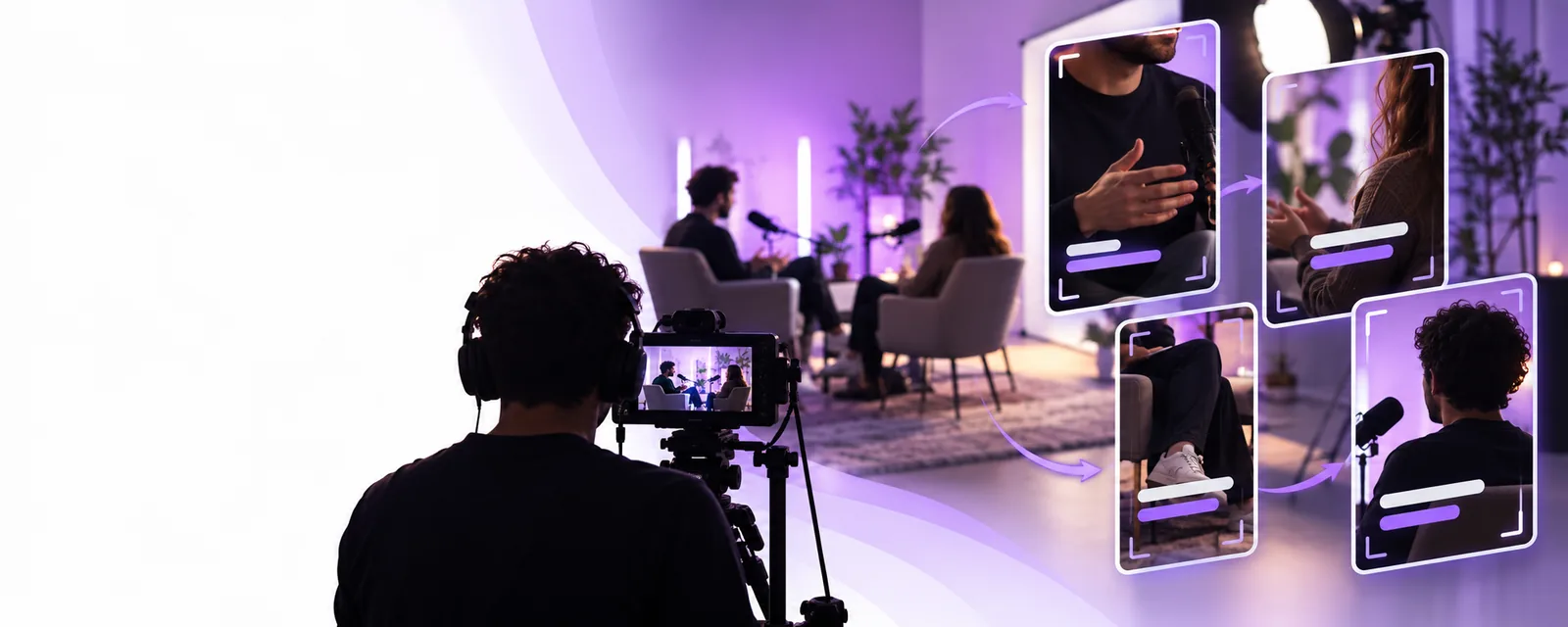
Video editing workspace with short-form clips prepared from longer footage

Prerequisites

A good Klap session begins before the upload. Prepare the source, decide what the viewer should remember, and leave enough time for human review.

1

Klap cannot repair missing source material

If the recording has clipped audio, long silences, weak lighting, or an important sentence cut off at the beginning or end, an automated workflow cannot recreate the missing information. The result may still contain the same gaps as the original.

What to do instead

Listen through the source first and mark the sections that are complete enough to reuse. If the recording is damaged, export a cleaner version before bringing it into Klap.

2

Klap cannot decide your channel strategy for you

A tool can help identify or shape candidate moments, but it cannot know whether your audience prefers explanations, reactions, tutorials, interviews, or a particular publishing rhythm. A technically polished clip can still be the wrong choice for your channel.

What to do instead

Write one sentence describing the intended viewer and outcome. Use that sentence to reject clips that are interesting but unrelated to the purpose of your YouTube channel.

3

Klap cannot guarantee a finished YouTube upload

The workflow may help prepare short-form video, but publishing still involves checking titles, descriptions, visibility, audience settings, music rights, and any channel-specific requirements. Those decisions belong in your normal YouTube review process.

What to do instead

Treat the exported or prepared clip as a draft. Open the final file in your usual review and upload flow, then confirm the details inside YouTube before making it public.

4

Klap cannot replace factual and brand review

Automatic selections, captions, reframing, and emphasis can change how a statement feels. Names, numbers, jokes, technical claims, and sensitive topics deserve a second look before they represent you or your organization.

What to do instead

Keep the original recording beside the draft. Check every spoken claim, caption, crop, and visual emphasis against the source before publishing.

Numbered steps

The simplest Klap tutorial youtube workflow is a three-pass process: prepare the input, shape the candidates, then review the final story.

  1. 1

    Prepare one focused source

    Choose a recording with a clear subject and a reasonable amount of usable speech. Rename the file so you can recognize it later, note the intended audience, and decide whether the goal is a single highlight, a series of Shorts, or a set of supporting clips. If the video contains several unrelated topics, consider separating them conceptually before you begin. This gives Klap a clearer editorial direction and makes the review stage faster.

  2. 2

    Guide the first Klap pass

    Open the Klap workflow through the available product handoff, provide the source video, and describe the result you want in plain language. Mention the platform, approximate clip purpose, tone, and any element that must remain visible or understandable. Let the first pass produce candidates instead of trying to perfect every detail immediately. Review the selection, pacing, crop, and captions together so you can see whether each clip works as a complete idea.

  3. 3

    Review, refine, and prepare YouTube

    Play each candidate from the first frame without relying on the transcript alone. Remove clips that need too much context, correct captions and names, check the opening seconds, and make sure the crop keeps the important speaker or object in view. Then prepare the strongest version for YouTube with a clear title, a useful description, and a thumbnail or opening frame that matches the promise of the clip. Save the source and final draft with related names so future edits remain traceable.

Languages listed in the Klap site manifest
6 locales
Klap routes included in this site plan
9 site pages
Primary CTA route
1 CTA route
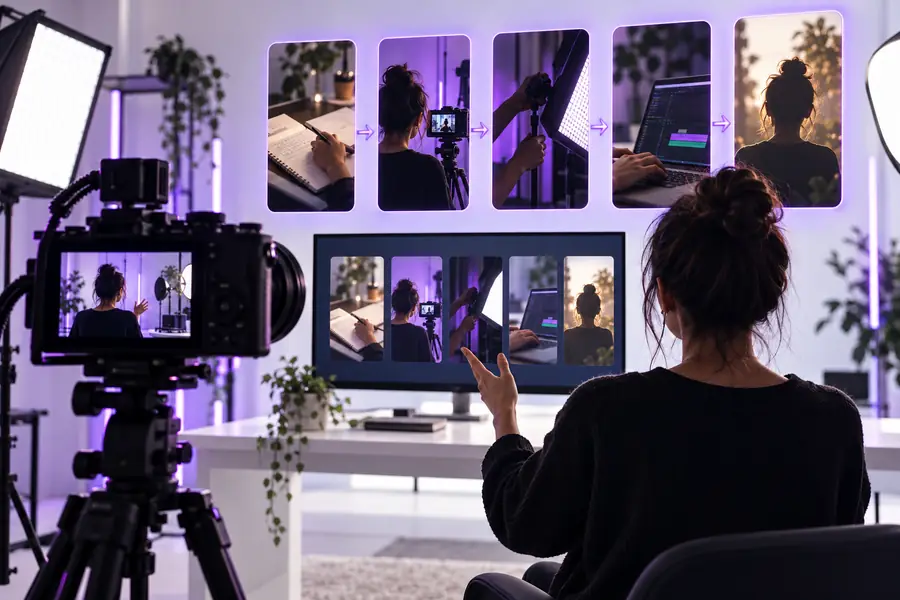
Long-form video tutorial prepared for a YouTube workflow
Source and rough plan
Vertical short-form video presented for YouTube publishing
Reviewed YouTube draft

The before-and-after view is editorial, not a guarantee of automatic results. The useful change is a clearer decision about what the viewer should see, hear, and do next.

Source and rough planReviewed YouTube draft

Advanced tips

Once the basic Klap workflow feels familiar, small editorial decisions can make the output easier to review and more consistent across a YouTube series.

Interview channel

Start with a longer conversation and identify moments where the guest completes one thought without requiring several minutes of setup. Keep the question or a short context line when removing it would make the answer confusing.

The strongest candidates feel like complete answers instead of random excerpts. Use the same opening style and review standard across episodes so your YouTube audience knows what to expect.

klap for youtube

Course creator

Use a lesson recording to find one practical explanation at a time. Before accepting a clip, check that any step, definition, or warning remains accurate after trimming surrounding material.

A sequence of focused clips can support discovery while pointing viewers toward the fuller lesson. Label each draft by topic so you can build a coherent playlist rather than a loose collection of fragments.

klap online

Podcast producer

Give Klap a clear editorial brief for each episode, then compare candidate clips against the central argument of the conversation. Pay particular attention to names, quotations, and captions because small errors can change meaning.

The review process becomes faster when every candidate is judged by the same criteria: a strong opening, one understandable idea, clean audio, and a reason for the viewer to continue.

what is klap

Multi-platform creator

Create a master review list before adapting a clip for different destinations. Check the crop, on-screen text, pacing, and call to action separately rather than assuming one version will suit every feed.

You preserve the core idea while making deliberate platform edits. A TikTok-oriented version may need a different opening or caption rhythm from the YouTube version, even when both begin with the same source moment.

klap for tiktok

Use the Klap workflow to move from a prepared source to candidate clips, then keep the editorial judgment that makes the result sound like you. Start with one recording, one audience, and one clear publishing goal.

Turn your next recording into a reviewable clip plan

  • Prepare the source before uploading
  • Review every candidate against the original
  • Keep YouTube titles and settings in your normal publishing flow
Open Klap workflow

Tutorial FAQ

Prepare a usable source video, a clear audience, and a simple description of the clip you want to create. It also helps to identify names, claims, or moments that must remain accurate during trimming and caption review.

Do not assume that preparation and publishing are the same step. Use Klap to create or organize a draft according to the controls available in your workflow, then review the file and complete YouTube titles, descriptions, visibility, and other settings in your normal upload process.

Prefer moments that communicate one complete idea with little missing context. A strong candidate usually has a clear opening, understandable audio, a useful or entertaining payoff, and enough substance to stand on its own after trimming.

Automated selection and editing can miss context, misread captions, crop the wrong subject, or emphasize a sentence differently from the original. Watch the full draft, compare it with the source, and correct factual, visual, and brand issues before publishing.

Choose based on the source and the audience rather than a fixed number. One strong, complete clip is better than several weak fragments; if the recording contains distinct ideas, separate them and give each draft its own purpose and review checklist.

Start creating
Start creating